

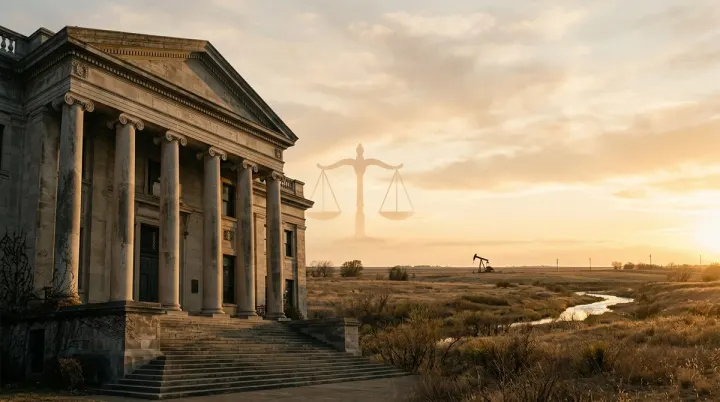
A divided federal court says the EPA’s ruling on Oklahoma tribal lands was within its rights to give the state authority with no strings attached.
A federal appeals court has ruled that Oklahoma can oversee environmental programs on Native American tribal lands within the state, and that the federal government did not have to attach conditions when it granted that power.
The 10th US Circuit Court of Appeals, based in Denver, decided 2-1 on Friday, October 16. It upheld a Trump administration decision to give Oklahoma the authority without requiring protections for the tribes affected. The Pawnee Nation brought the case and lost it.
What did the court decide?#
The court said the US Environmental Protection Agency (EPA) acted within the law. In simple terms, the judges found that a 2005 federal law gave the agency the authority to approve Oklahoma’s request, and that the law decided the outcome.
One judge disagreed. The dissent argued that the EPA had the discretion to put at least some protections for tribal interests in place, even if it was not forced to.
Why does a 2005 law matter?#
The law is a transportation funding bill known as SAFETEA. Buried inside it is a short provision that applies only to Oklahoma. It lets the state ask for control over environmental programs in Native American territory, programs that would normally be run by the federal government or by tribes.
People nicknamed it the “Midnight Rider” because it was added late and without discussion. For years, nobody used it. Oklahoma first called on it in 2020.
How did Oklahoma Tribal Lands Ruling Start?#
The story begins with a Supreme Court decision in 2020 called McGirt v. Oklahoma. By a 5-4 vote, the justices recognized about half of the state, much of the eastern part, as Native American reservation land beyond the reach of state authorities.
That ruling raised a big question: who gets to make environmental rules on that land? Oklahoma answered by asking the EPA for authority under the 2005 provision.
The EPA’s position then changed several times:
- 2020: Under President Donald Trump’s first administration, the EPA approved Oklahoma’s request.
- 2021: After several tribes, including the Pawnee Nation, objected, the EPA under President Joe Biden withdrew the approval and took another look.
- January 2025: In Biden’s last days in office, the EPA approved the request again, this time with a condition that Oklahoma work with the affected tribes to reach agreement.
- Later: The Trump administration granted the authority without that condition. The Pawnee Nation challenged that decision in court, and this is the decision the 10th Circuit has now upheld.
What does this mean for tribes and residents?#
For now, Oklahoma keeps authority over environmental programs on tribal lands, and the state does not have to follow any special process for working with tribes. Tribes that wanted a guaranteed say now have less legal leverage under this particular law.
Day to day, these programs cover the kinds of rules that affect air, water and waste. Which specific programs apply is something to confirm from the ruling itself.
What happens next?#
The dissent may give the losing side something to work with if they ask for further review. The Pawnee Nation could ask the full 10th Circuit to rehear the case or appeal to the Supreme Court. Neither step has been announced in the material I’ve seen.
The ruling also shows how much of this fight depends on one short law. Tribes and their supporters may push Congress to change it, while the state is likely to defend the current setup.
