
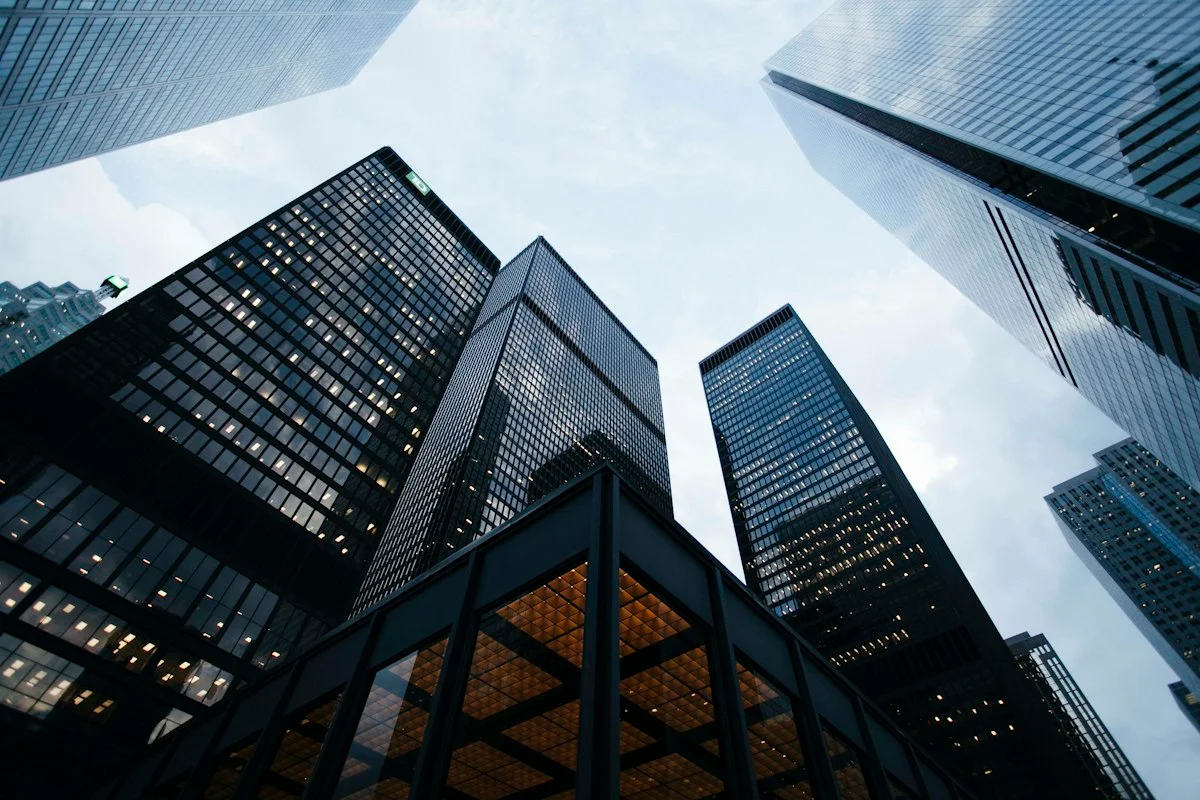
The Pakistani real estate paradigm is experiencing its most structural evolution in three decades. Speculative transactions in raw suburban land are giving way to yield-driven commercial developments, modern logistics centers, and master-planned smart townships built on sustainable infrastructure.
Institutional Maturity Through REIT Frameworks#
Regulatory enhancements introduced by the Securities and Exchange Commission of Pakistan (SECP) have catalyzed multiple public and private Real Estate Investment Trusts (REITs). By pooling funds into regulated corporate structures, REITs have democratized access to institutional-grade income-producing properties, providing retail investors with dividend liquidity.
Foreign institutional funds and overseas Pakistani syndicates, which previously struggled with non-transparent title verification, are demonstrating renewed confidence in listed development and rental REIT instruments.
Smart City Integration and Digital Governance#
Metropolitan growth along key transport corridors in Punjab, Sindh, and the federal capital is prioritizing smart grid utilities, automated traffic management, and subterranean fiber-optic networks. PropTech startups are integrating GIS-based drone surveying and cryptographic land verification, dismantling bureaucratic friction points that once hampered foreign direct investment.
Commercial tenants are equally exacting. Multinationals and domestic tech firms demand Grade-A energy-efficient office complexes boasting solar microgrids, greywater recycling, and EV charging bays.
Long-Term Economic Multiplier#
With over 40 allied manufacturing industries tied to construction and urban development—from steel and cement to glass and architectural engineering—the revitalization of the urban property market serves as a vital economic engine. Analysts project that urbanization-led infrastructure spending will anchor GDP growth through the remainder of the decade.